 VibeCodies
 Vibe Culture & Trends: What It Means and Why Everyone Talks About It
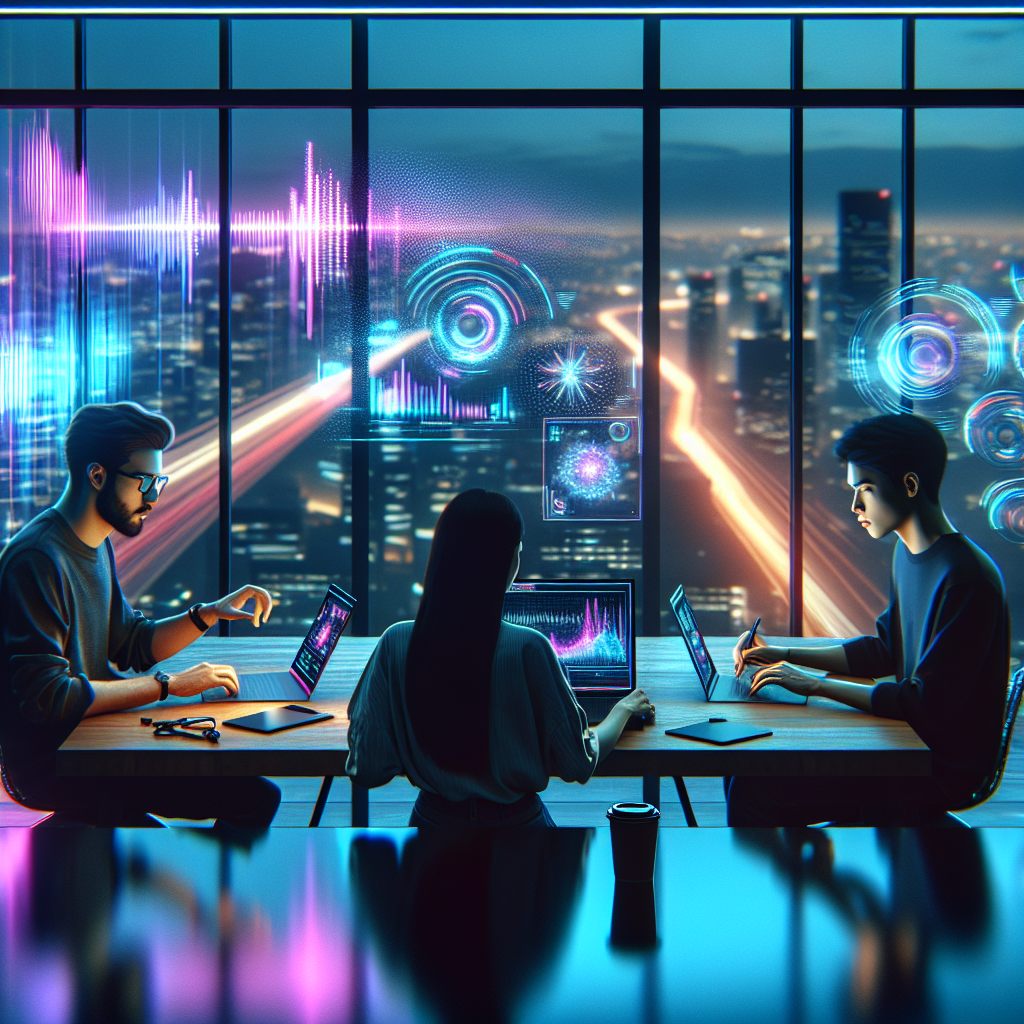
Let’s be honest: half the internet right now is just people saying “the vibe is off” without explaining anything. You open TikTok for “five minutes,” and suddenly you’re knee‑deep in “that girl” routines, cottagecore forests, and someone’s “sad girl autumn” playlist. It’s a lot. But it’s not random. There’s a pattern hiding in the chaos, even if it doesn’t look tidy from the outside.
This isn’t going to be a neat little textbook walk from A to B. Think of it more like scrolling your feed: we’ll jump around a bit. We’ll talk about what people really mean when they say “vibes,” why it runs so much of online culture, how brands are quietly milking it, and where it all starts messing with your head—in good and not‑so‑good ways.
What People Really Mean By “Vibe”
“Vibe” used to be short for “vibration,” like some hippie‑era energy talk. Now? It’s the lazy, efficient way to say, “I don’t have the patience to explain this whole mood in full sentences.” Instead of “The café has warm lighting, friendly staff, and chill music,” people just say, “This place? Cozy vibes.”
It’s not about accuracy; it’s about shortcut. A room can be objectively a mess—clothes on the chair, three half‑empty cups on the desk—but if the fairy lights are on and there’s a lo‑fi playlist in the background, someone will still comment, “Wait, this is such a vibe.” Details get blurry; the feeling wins.
And that’s the sneaky part: “vibe” is so open‑ended that you can slap it onto anything—relationships, outfits, jobs, entire personalities. It’s like duct tape for emotions. Sticks to whatever you want.
How Vibe Culture Turned Into a Trend Engine
Scroll for ten seconds and you’ll see it in action. One person posts a 15‑second clip of their rainy Sunday with a certain song, a certain filter, a certain type of mug. No instructions. No “how to.” Just a feeling.
Someone else sees it and thinks, “Oh, I want that mood.” They copy the angle, swap in their own mug, maybe change the song. Now it’s a mini‑template. Suddenly you’ve got a whole trend built on…vibes, not products. Not even ideas, really. Just atmospheres.
The wild part is that nobody needs a rulebook. If you get the vibe, you just play along. If you don’t, you scroll past and wonder when everyone agreed that typing in lowercase or filming from the floor was suddenly “cinematic.”
Core Elements That Shape Vibe Culture & Trends
Vibes aren’t magic. They’re built. People keep using the same ingredients over and over, just in different flavors.
- Visual style: Colors, lighting, filters, outfits. Pastel and grainy? Probably soft, nostalgic. Harsh neon and fast cuts? Chaos. You can tell the mood before you even read the caption.
- Sound and music: You know that thing where the first three seconds of a sound tell you exactly what mood the video is going for? That. The song does half the emotional labor.
- Language and slang: “Low‑key,” “delulu,” “main character,” “cozy core.” Half of it sounds ridiculous out loud, but online it’s like secret code for “I’m in on this particular vibe.”
- Rituals and routines: The same actions, dressed up as aesthetics: morning matcha, study-with-me sessions, night drives. It’s not just coffee; it’s a coffee moment.
- Spaces and locations: Cafés, bedrooms, parks, parking garages. Not just where you are, but how it’s framed. Same room, different lighting, completely different vibe.
- Micro-communities: Cozy gamers, cottagecore kids, “clean girl” disciples, maximalist chaos lovers. Tiny internet neighborhoods built around a shared feeling more than a shared belief.
Once you see these pieces, you can’t unsee them. It’s like noticing the editing tricks in movies: the mystery fades a bit, but you also realize how easy it is to remix the same mood into something that feels “new.”
From Aesthetic to Identity: Living “By Vibe”
Here’s where it stops being just cute content and starts getting personal. People don’t just say, “I like this style” anymore. They say, “This is my vibe.” That’s a big jump—from preference to identity.
Instead of “I listen to pop music,” it becomes “I’m into dreamy, nostalgic vibes.” Instead of “I work remotely,” it’s “I’m in my digital nomad era.” The feeling goes first, the details trail behind like background characters.
And honestly, there’s a kind of freedom in that. You can be “soft life” on Sunday, “grind mode” on Monday, “feral goblin” by Friday night. No one expects you to pick one forever. But there’s a flip side: when every mood is a mini‑identity, it’s weirdly easy to feel like you’re failing at being the “right” version of yourself that week.
Popular Vibe Trends You See Everywhere
Some trends burn out in a week. Others keep mutating and coming back with new names like they’re on their fifth rebrand. You’ll probably recognize at least one of these in your own habits, even if you swear you’re “not a trends person.”
1. Cozy and “soft” vibes
Candles. Big sweaters. Rain sounds on YouTube. People filming themselves journaling like they’re the protagonist of a very quiet indie film. It’s comfort turned into content, and it hits especially hard when real life feels loud and exhausting.
2. Aesthetic productivity vibes
Work, but make it pretty. Perfectly lined‑up notebooks, timers ticking softly, keyboard sounds that somehow feel soothing. The actual task might be the same boring spreadsheet as always, but the packaging says, “Look, productivity can be gentle and satisfying.” Whether that’s true is another story.
3. Nostalgic and retro vibes
Old cameras, wired headphones, low‑res filters, Y2K outfits, songs your parents probably overplayed. It’s less about the exact decade and more about escaping the constant now. People are tired, so they romanticize a time when phones didn’t scream at them 24/7—even if they never actually lived through that era.
4. Main character and cinematic vibes
This is the “I am the movie” mindset. Walking down the street with headphones on becomes a scene. Doing dishes becomes a montage. It can be empowering—reminding you that your life isn’t just filler between big events—but it can also make normal days feel like they’re never quite dramatic enough.
5. Clean, minimal, and “put together” vibes
White walls. Neutral outfits. Skincare lined up like soldiers. It whispers, “I have my life together,” even if the camera is carefully avoiding the laundry pile in the corner. For some, it’s calming. For others, it’s just another impossible standard to compare themselves to.
Comparing Major Vibe Culture Trends at a Glance
If you like charts, here’s your moment. If not, skim it like you skim half your feed and just grab whatever sticks.
| Vibe Trend | Core Mood | Typical Visuals | Common Daily Habits |
|---|---|---|---|
| Cozy / Soft | Calm, safe, gentle | Warm lamps, blankets, soft fabrics | Reading in bed, slow breakfasts, journaling |
| Aesthetic Productivity | Focused, steady, controlled | Cleared desks, neat tools, subtle timers | Study blocks, planning sessions, deep work sprints |
| Nostalgic / Retro | Sentimental, escapist | Vintage filters, old tech, thrifted clothes | Rewatching old shows, scrapbooking, photo walks |
| Main Character | Bold, introspective | Cinematic shots, dramatic lighting, close‑ups | Solo café trips, long walks, reflective journaling |
| Clean & Minimal | Orderly, light, restrained | Neutral palettes, empty surfaces, tidy lines | Decluttering, simple cooking, early nights in |
Nobody actually lives in one row forever. Most people mix and match: cozy mornings, productive afternoons, nostalgic playlists at night. The labels are just shortcuts, not life contracts.
Why Vibe Culture Feels So Powerful Right Now
This didn’t just pop up out of nowhere. The internet basically trained us for it. Short‑form video demands instant emotion. You have half a second to make someone feel something before they swipe away. A strong vibe does that. A nuanced explanation doesn’t stand a chance.
On top of that, everyone is drowning in information. News, opinions, hot takes, arguments—it’s exhausting. Vibes are simpler. You don’t have to read a thread; you just feel the mood and decide, “Yes, this” or “Nope, next.”
Younger people in particular lean into this weird mix of irony and sincerity. You can post a trend half‑joking, half‑serious and still enjoy it. “I’m ironically doing the main character thing” usually just means “I kind of love this, but I don’t want to look like I care too much.” Vibe culture gives space for that in‑between.
How Brands and Creators Use Vibe Culture
Of course brands noticed. They always do. Instead of screaming “BUY THIS,” they quietly slide their products into whatever vibe is trending. Not a coffee ad—just a “slow Sunday morning” video where the cup happens to have a logo. Not a phone ad—just a “study with me” setup featuring one very specific device.
You’re not just sold an object; you’re sold a feeling and a lifestyle, even if nobody says it out loud. If you want the vibe, you start wanting the stuff that appears inside it. That’s the game.
Creators do the same thing, but with themselves. One person becomes “the chaotic friend.” Another is “the calm big sister who talks at 2 a.m.” People follow them less for the specific topic and more for the emotional atmosphere they always bring. It’s like tuning into a radio station because you know exactly what kind of mood you’ll get.
Reading Vibe Culture Without Losing Yourself
Here’s where it can get messy. When every moment online is curated into a vibe, your regular, un‑aesthetic life can start to feel…wrong. Too loud. Too boring. Too cluttered. You start thinking, “Why doesn’t my Tuesday afternoon look like their Tuesday afternoon?”
A few questions help cut through that noise: Am I actually enjoying this, or am I performing it? Would I still do this if no one saw it? Does this vibe fit my real life, or am I forcing myself into a costume that looks good on camera but feels bad in my body?
If the honest answer is “I’d drop this the second the camera’s off,” that’s your sign. Vibes are supposed to be tools for expression, not cages you decorate and then lock yourself inside.
Practical Ways to Explore Vibe Culture Mindfully
You don’t need a full rebrand or a shopping spree to tap into this stuff. You can play with vibes in small, low‑stakes ways that don’t wreck your wallet or your mental health.
- Notice the vibes you already like. Instead of asking “What’s trending?” ask “What actually makes me feel good?” Certain songs, corners of your room, outfits you reach for without thinking—write a few words about them in your notes app.
- Create one small vibe corner. Not your whole house. Just a desk, a chair, a shelf. Rearrange what you already own to match a mood you enjoy—calm, playful, focused, whatever. No haul required.
- Match media to your mood (or the mood you want). Make a playlist or photo folder that feels like “safe” or “energized” or “soft.” Use it when you’re drained instead of doom‑scrolling random content that leaves you more tired.
- Test trends offline first. Try the new morning routine or study setup without filming it. If it feels fake or annoying without an audience, that’s a pretty clear answer.
- Set your own no‑go zones. Maybe it’s money‑heavy trends, extreme productivity content, or anything that makes you spiral into comparison. Decide ahead of time what you’re not playing with, and let yourself scroll past without guilt.
When you do that, vibe culture stops being this thing that happens to you and becomes something you can actually shape. You’re not chasing every aesthetic; you’re curating what genuinely fits.
The Future of Vibe Culture & Trends
Is vibe culture going away? Probably not. As long as people are online, they’ll want quick, shared ways to say, “This is how life feels right now.” New platforms will just give new tools: more immersive audio, interactive rooms, digital spaces that feel weirdly close to real ones.
What might change is the flavor. As burnout keeps creeping up on everyone, “slow,” gentle, and offline‑leaning vibes will likely keep growing. At the same time, loud, ridiculous, chaotic trends aren’t going anywhere—they’re how people blow off steam when everything else feels too heavy.
If you understand how vibes work, you don’t have to be scared of trends or allergic to them. You can borrow what you like, ignore what drains you, and build a life that feels good even when there’s no camera, no filter, no soundtrack—just you, in a room, deciding what kind of day you want to have.